
MicroRNA quantitative PCR (miRNA qPCR) is one of the most powerful laboratory techniques for quantifying small non-coding RNA molecules called microRNAs (miRNAs). These ~22-nucleotide regulatory RNAs play essential roles in cellular homeostasis, development, and gene expression networks. Accurate miRNA quantification supports basic research into gene regulation, developmental biology, and RNA-mediated mechanisms of cellular control. In laboratory settings, miRNA qPCR workflows require specialized reagents and optimized protocols to ensure sensitive, specific, and reproducible measurement of minute RNA transcripts. PMC
This article is educational and laboratory-focused, integrating credible academic and government (.edu/.gov) resources to explain key concepts, best practices, and practical applications of miRNA qPCR—not clinical or diagnostic recommendations.

What Is miRNA and Why qPCR Is Important
MicroRNAs (miRNAs) are a class of small, endogenous regulatory RNAs that bind specific messenger RNA (mRNA) targets to modulate gene expression at the post-transcriptional level. They are involved in cell differentiation, proliferation, metabolism, and signal transduction across species. PMC
Laboratories quantify miRNAs to study:
-
Differential gene expression in development and disease models
-
Mechanisms of gene regulation in molecular pathways
-
Response to experimental perturbations (e.g., treatment, knockdowns)
-
Comparative biology between tissue types or cell states
Quantitative PCR (qPCR), specifically when paired with reverse transcription (RT-qPCR), allows precise and sensitive measurement of miRNA levels by first converting small RNA to complementary DNA (cDNA) and then amplifying the targets in real time. Wikipédia
Why miRNA qPCR Requires Specialized Considerations
Standard qPCR workflows optimized for mRNA targets are generally not suitable for miRNAs because:
-
miRNAs are very short (~22 nt), making primer design and reverse transcription challenging without specialized primers.
-
Sequence specificity is critical, since miRNAs often differ by only one nucleotide.
-
Efficient reverse transcription and amplification must be ensured for reliable measurement.
To address these challenges, specialized miRNA qPCR protocols use stem-loop primers, locked nucleic acid (LNA) enhancements, or other tailored chemistries that improve specificity and sensitivity for small RNA targets. PMC+1
Core Steps in a miRNA qPCR Workflow
A typical miRNA qPCR experiment in the lab consists of:
1) RNA isolation optimized for small RNAs
High-quality total RNA must include the small RNA fraction. This often requires kits or protocols designed to retain miRNAs during extraction. CDC and NIH resources emphasize careful RNA isolation procedures to preserve all RNA populations.
-
NIH NCBI Bookshelf — RNA handling fundamentals:
https://www.ncbi.nlm.nih.gov/books/NBK589663/ gene-quantification.de
2) Reverse transcription of miRNA into cDNA
Specialized stem-loop RT primers or ligation-based strategies convert miRNAs into cDNA prior to qPCR in a step designed to improve specificity and primer annealing. PMC
3) qPCR amplification and detection
Real-time PCR amplification of miRNA cDNA uses fluorescence detection (e.g., SYBR Green or sequence-specific probes) to quantify target abundance in each cycle. Wikipédia
4) Data analysis and normalization
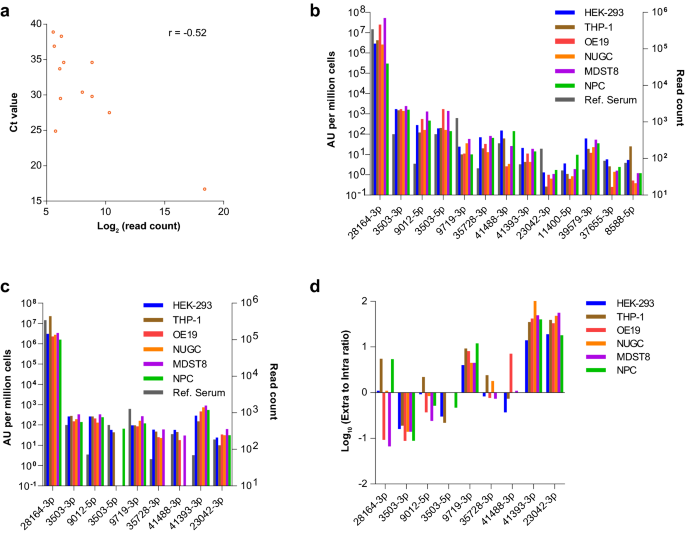
Accurate miRNA qPCR requires normalization against stable reference genes or controls to account for sample input variation and technical factors. gene-quantification.de
Best Practices and Technical Considerations
Specialized Primer Chemistry and Specificity
Because miRNAs differ by as little as one nucleotide, laboratories often use LNA-enhanced primers or probe systems to distinguish closely related sequences and avoid off-target amplification. qiagen.com
Optimized Reverse Transcription
miRNA qPCR protocols such as stem-loop RT-qPCR have been validated as both sensitive and specific in academic studies for measuring mature miRNAs. PMC
Normalization Strategies
Technical variation from RNA input, extraction efficiency, and reverse transcription should be corrected using reference miRNAs or spike-in controls to ensure reproducible results. Comprehensive reviews discuss normalization challenges and approaches. gene-quantification.de
Guidelines for qPCR Experiment Quality
Best practice frameworks like the MIQE guidelines help laboratories improve reporting and reproducibility in qPCR experiments, including those targeting small RNAs.
-
MIQE guidelines overview (NIH PubMed):
https://pubmed.ncbi.nlm.nih.gov/19246619/ Wikipédia
Educational .edu and .gov Resources for miRNA qPCR
Below are public, reputable sources laboratories use for training, protocol design, and PCR fundamentals:
-
NIH NCBI Bookshelf — RNA methodologies and PCR basics:
https://www.ncbi.nlm.nih.gov/books/NBK589663/ gene-quantification.de -
CDC molecular training courses:
https://www.cdc.gov/labtraining/training-courses/molecular-training.html Wikipédia -
Harvard miRNA qPCR protocol references:
https://genome.med.harvard.edu/documents/qpcr/microRNATaqManAssayProtocol.pdf genome.med.harvard.edu -
Stanford qPCR resource center:
https://pan.stanford.edu/section_html/QPCR/index.html gene-quantification.de -
Principles of RT-PCR basics:
https://en.wikipedia.org/wiki/Reverse_transcription_polymerase_chain_reaction Wikipédia
Common Laboratory Applications of miRNA qPCR
Gene Regulation and Expression Studies
miRNA qPCR is widely used in research to quantify miRNA expression differences between conditions, developmental stages, or treatment responses in cellular and organismal models. PMC
Functional Genomics
Understanding miRNA targets and regulatory networks frequently involves quantifying changes in specific miRNAs in response to perturbations or genetic manipulation. PMC
Small RNA Profiling Follow-Up
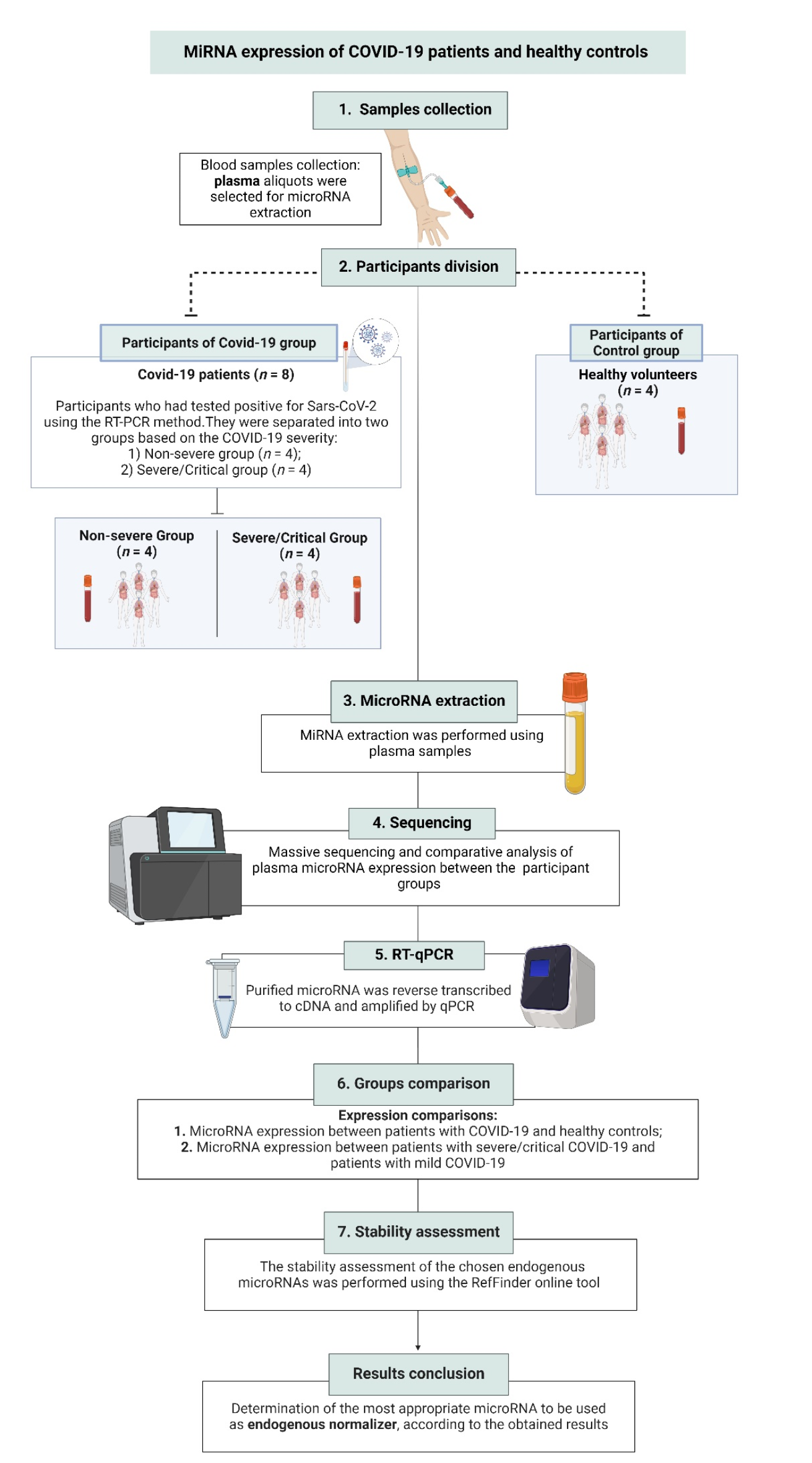
Researchers often follow high-throughput small RNA sequencing experiments with miRNA qPCR to validate and quantify key candidates of interest. Wikipédia
Why High-Quality miRNA qPCR Matters in Research
miRNA qPCR is especially valuable where:
-
High sensitivity is required (low-abundance targets)
-
Small sequence differences must be resolved
-
Reproducibility across samples and runs matters
-
Quantitative comparisons are essential for biological conclusions
Well-optimized miRNA qPCR systems reduce technical noise, minimize variability from handling and reagent assembly, and support consistent interpretation over time.
-
miRNA qPCR
-
microRNA qPCR workflow
-
miRNA quantification by qPCR
-
stem-loop RT-qPCR
-
small RNA qPCR assays
-
miRNA expression analysis
-
qPCR primer design for miRNA
-
miRNA normalization strategies