
A laboratory water bath is a critical instrument used for controlled temperature incubation, enzyme reactions, and sample thawing. Over time, microbial contamination, biofilm formation, and mineral deposits can compromise the accuracy, sterility, and reliability of results. To maintain optimal performance, the use of an effective disinfecting solution is essential.
This article explores scientifically validated solutions for disinfecting ordinary laboratory water baths, referencing standards and resources from NIH, CDC, EPA, and leading universities. It also provides detailed guidance on cleaning procedures, compatible agents, and preventive maintenance — all refined for SEO optimization and search engine discoverability.
Why Water Bath Disinfection Is Essential
Water baths, especially those maintained between 25°C and 60°C, provide an ideal environment for microbial proliferation. Organisms such as Pseudomonas aeruginosa, Legionella pneumophila, Mycobacterium spp., and fungal spores can colonize stagnant water and surfaces within the bath (cdc.gov).
Uncontrolled microbial growth can lead to:
-
Cross-contamination of samples
-
Biofilm accumulation affecting temperature sensors
-
Odor generation and turbidity
-
Reduced thermal transfer efficiency
-
Corrosion of metal components
For reference, the Centers for Disease Control and Prevention (CDC) provides comprehensive biofilm control guidelines applicable to laboratory systems (cdc.gov).
Common Microbial Contaminants in Water Baths
According to data from the National Library of Medicine (NLM), the following organisms are frequently isolated from laboratory water baths:
| Microorganism | Type | Temperature Range (°C) | Impact |
|---|---|---|---|
| Pseudomonas aeruginosa | Bacterium | 20–45 | Biofilm formation, odor |
| Legionella pneumophila | Bacterium | 25–50 | Aerosol infection risk |
| Aspergillus niger | Fungus | 25–40 | Spore contamination |
| Mycobacterium chelonae | Bacterium | 30–45 | Resistant to chlorine |
| Algae (e.g., Chlorella sp.) | Photosynthetic | 20–35 | Green residue buildup |
These findings underscore the importance of routine disinfection protocols using appropriate chemical agents that inhibit bacterial, fungal, and algal growth (nih.gov).
Properties of an Ideal Water Bath Disinfectant
An effective disinfectant for laboratory water baths should meet the following criteria:
-
Broad-spectrum antimicrobial activity
-
Thermal stability up to 65°C
-
Non-corrosive to stainless steel or aluminum
-
Low volatility and non-toxic vapors
-
Compatibility with thermistor probes, heaters, and gaskets
-
No interference with temperature calibration sensors
According to the Environmental Protection Agency (EPA), disinfectants should also comply with biocide regulation standards for laboratory use.
Recommended Disinfectant Solutions for Water Baths
Several chemical agents have been tested and validated for safe use in laboratory water baths. Below are the most effective and commonly used disinfectants:
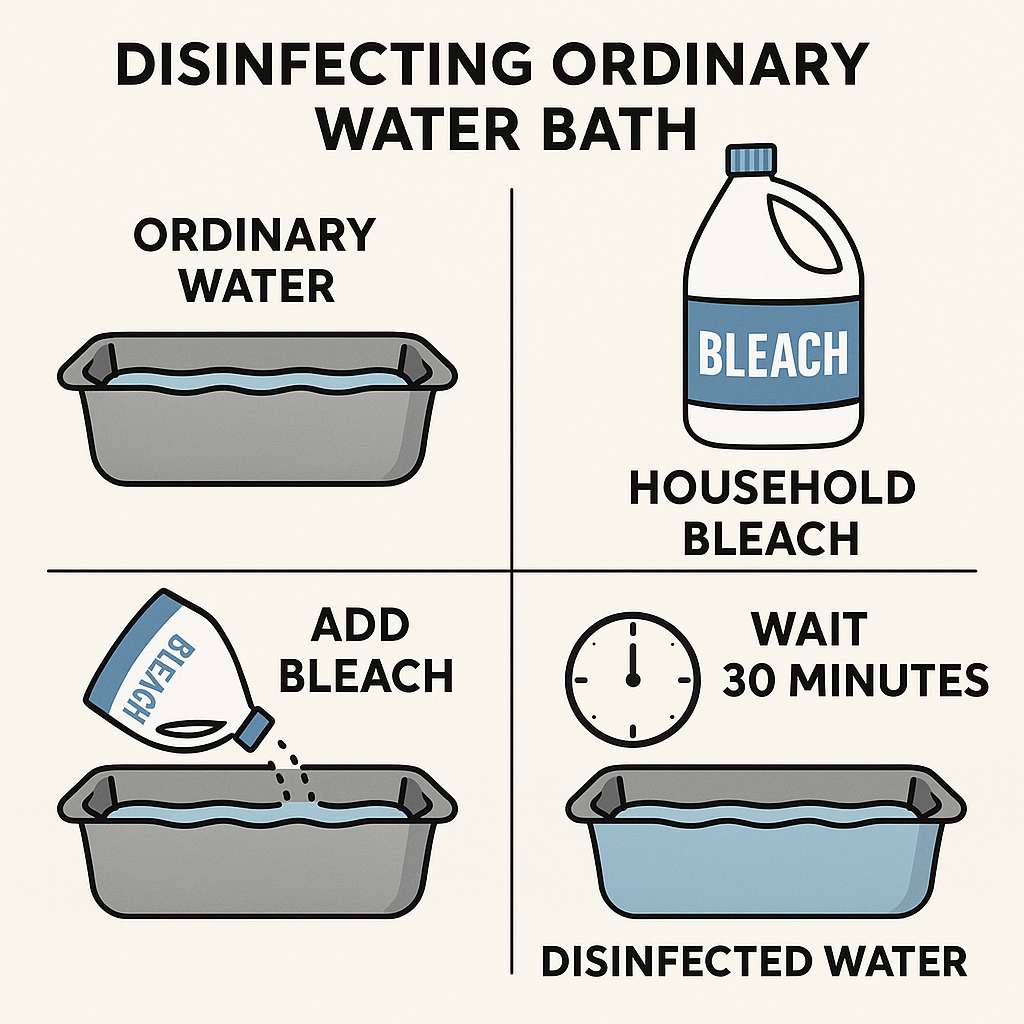
Sodium Hypochlorite (Bleach Solution)
-
Concentration: 10–50 ppm (approximately 1:1000 dilution of 5% bleach)
-
Effectiveness: Broad-spectrum bactericidal and fungicidal
-
Drawback: Corrosive to stainless steel with prolonged use (epa.gov)
Benzalkonium Chloride (Quaternary Ammonium Compound)
-
Concentration: 0.02–0.05% (200–500 ppm)
-
Advantages: Non-corrosive, odorless, long-lasting residual activity
-
Source: Used widely in biosafety cabinets (nih.gov)
Copper Sulfate Pentahydrate (CuSO₄·5H₂O)
-
Concentration: 0.5–1.0 g/L
-
Advantages: Inhibits bacterial and algal growth
-
Limitation: Must be replaced monthly to prevent crystal formation (nasa.gov)
Thymol or Phenolic Solutions
-
Concentration: 0.1–0.2%
-
Usage: Acts as a biostatic preservative in low-temperature baths
-
Reference: PubChem Database
Hydrogen Peroxide (Stabilized)
-
Concentration: 0.5–3%
-
Feature: Effective against biofilms and spores without heavy metal residues
-
Safety: Environmentally friendly oxidizer (fda.gov)
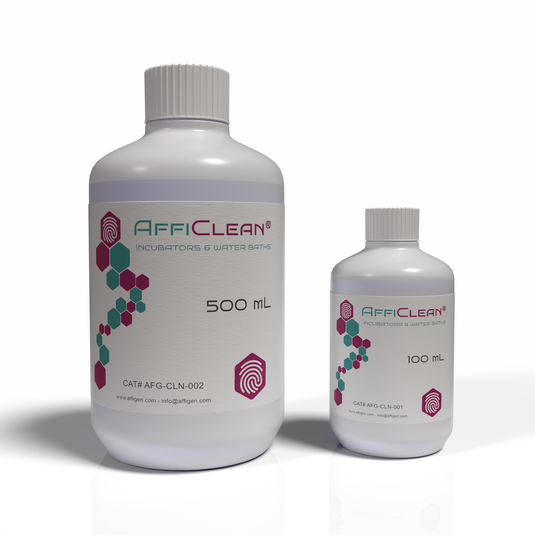
Commercial Water Bath Additives
Many laboratories prefer commercial additives that combine quaternary ammonium biocides with corrosion inhibitors, available from certified suppliers. Always check material compatibility and MSDS before use (osha.gov).
Standard Operating Procedure (SOP) for Disinfection
Step 1: Drain and Clean
-
Turn off power and drain all existing water.
-
Remove sediment and scale using a mild detergent.
-
Rinse thoroughly with deionized water.
Step 2: Apply Disinfectant
-
Fill the bath with water and add the disinfectant at the recommended concentration.
-
Heat the bath to 37°C and circulate for 1–2 hours.
Step 3: Rinse and Refill
-
Drain the solution and rinse twice with sterile distilled water.
-
Refill with clean water and add a maintenance-level biocide (e.g., 0.02% benzalkonium chloride).
Step 4: Regular Maintenance
-
Replace water every 2–4 weeks.
-
Wipe internal surfaces weekly.
-
Record disinfection dates in the laboratory maintenance log (nih.gov).
Preventing Future Contamination
-
Use distilled or deionized water to reduce mineral deposits (nist.gov).
-
Avoid using tap water, which contains trace nutrients that support microbial growth.
-
Keep the water bath lid closed when not in use to limit airborne contamination.
-
Do not submerge contaminated or leaking tubes directly in the bath water.
-
Maintain regular temperature cycling to deter microbial adaptation (epa.gov).

Material Compatibility and Safety
Improper use of disinfectants can corrode heating coils, damage seals, or release hazardous fumes. Always verify chemical compatibility with the water bath manufacturer.
Refer to OSHA Laboratory Safety Standards and NIH Laboratory Biosafety Manual for proper chemical handling and PPE use.
Eco-Friendly and Low-Toxicity Alternatives
Eco-conscious laboratories can opt for biodegradable and low-toxicity disinfectants, including:
-
Silver ion-based formulations (Ag⁺ biocides)
-
Citric acid-based descalers
-
Enzyme-enhanced biofilm removers
The EPA Safer Choice Program lists several approved green disinfectant products suitable for laboratory environments.
Validation and Quality Assurance
After disinfection, validation is essential to confirm microbial reduction.
Common methods include:
-
ATP bioluminescence assays (nih.gov)
-
Total viable count (TVC) plating
-
pH and conductivity monitoring for water purity
-
Swab sampling of bath surfaces
Documentation should align with ISO 17025 quality management standards and Good Laboratory Practices (GLP) (nist.gov).
Conclusion
Disinfecting an ordinary laboratory water bath is not just a routine maintenance task — it’s a crucial step in ensuring experimental accuracy, biosafety, and instrument longevity.
Regular use of a scientifically validated disinfectant solution, adherence to CDC and EPA guidelines, and periodic monitoring guarantee that the water bath remains microbially stable, non-corrosive, and reliable for daily use.
Whether through sodium hypochlorite, benzalkonium chloride, or eco-friendly oxidizing agents, a consistent disinfection regimen ensures precision and reproducibility in all laboratory workflows.